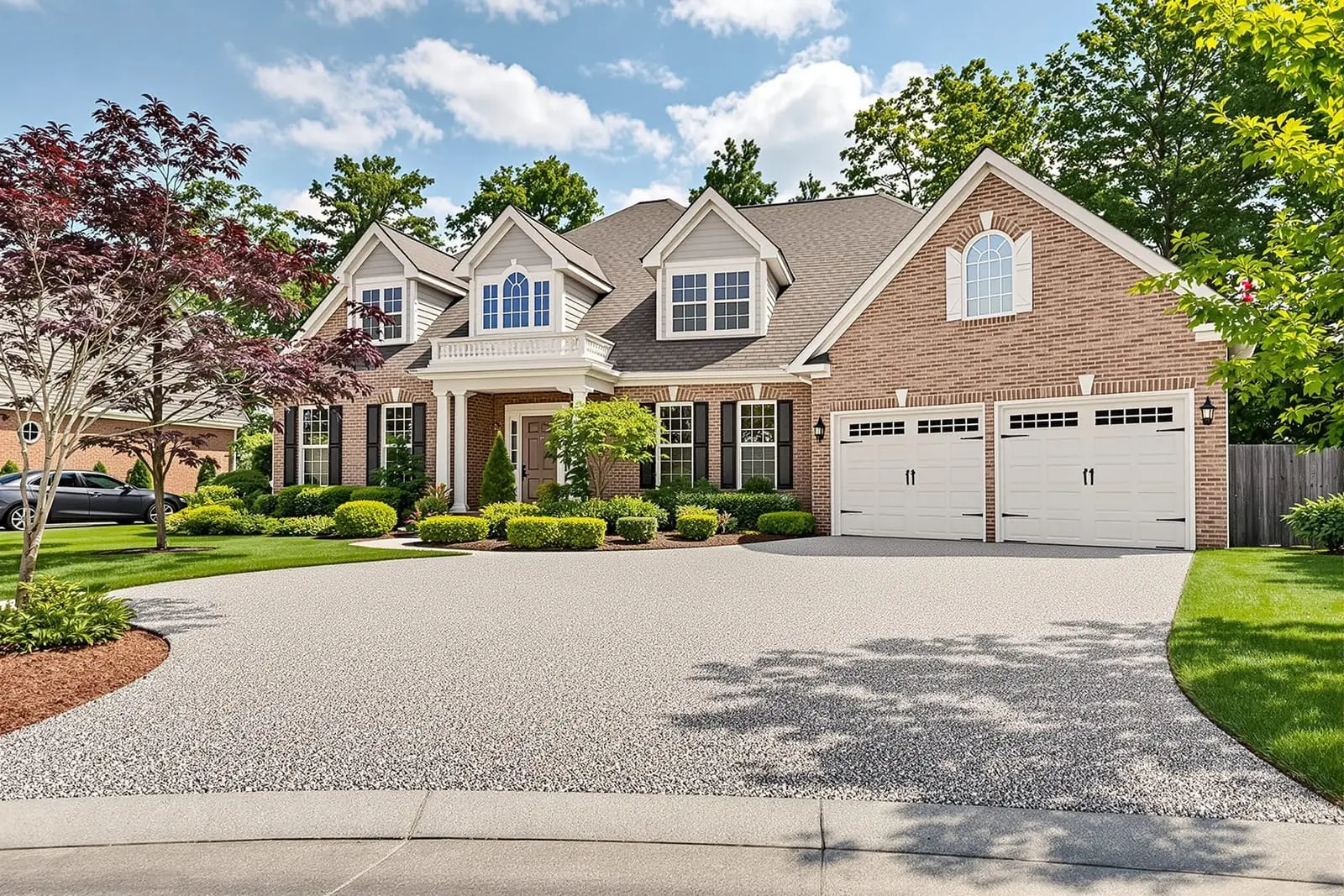
Upgrade from loose stone to a solid surface with gravel to asphalt conversion in Denton, TX. We reshape the base, compact it properly, and install new asphalt over existing gravel. The result is a cleaner, smoother driveway that is easier to plow, maintain, and drive on in any weather.
Prestige Asphalt Denton provides professional gravel to asphalt conversion throughout Denton, TX and the surrounding area. Our licensed, insured crew delivers safe, clean, on-time work with a free estimate before anything begins. Call (940) 240-6178 or request your free quote.
Gravel-to-Asphalt Conversion Specialists in Denton, TX
A gravel driveway or parking area can be rough, dusty, and high maintenance in North Texas weather. At Prestige Asphalt Denton, our gravel to asphalt conversion service turns loose rock surfaces into smooth, durable pavement that handles Denton traffic and temperature swings.
We do not simply spread asphalt over existing gravel. A proper conversion means rebuilding the structure underneath so your new surface does not crack, rut, or wash out in the first hard rain. Our crews are local, so we design every project around Denton soil conditions, drainage patterns, and how you actually use the space, whether it is a residential driveway, small ranch road, or commercial parking lot.
From the first site visit, we look at the age and depth of the existing gravel, how well it drains after storms, where vehicles track and rut, and what type of asphalt mix will perform best for that location. This careful evaluation at the beginning is what separates a long‑lasting conversion from a quick overlay that starts failing as soon as heavy trucks or delivery vehicles roll across it.
Step 1: Site Evaluation and Drainage Planning
Most of the serious problems we fix in failed gravel to asphalt conversions in Denton come from poor drainage planning. Our first step is a detailed site evaluation: walking the surface, shooting grades with a level if needed, and checking how water will move during heavy rains.
We identify low spots that hold water, areas where runoff crosses the drive from nearby yards or pastures, and places where gravel has already washed away. In Denton clay soils, trapped water under asphalt will quickly lead to soft spots and alligator cracking.
Before any paving, Prestige Asphalt Denton creates a drainage plan. This may include adding a slight crown to the driveway center so water sheds to both sides, cutting shallow swales along edges, installing culverts where water crosses under a drive, or adjusting slopes near garages and buildings so water moves away from foundations.
We also look at city requirements if you are in Denton limits or an HOA. Some locations require that we control runoff so it does not flow onto sidewalks or adjoining properties. Getting this part right keeps your new asphalt stable and also avoids property line disputes after the job is complete.
Step 2: Base Reconstruction Over Existing Gravel
Existing gravel can be an asset, but only if it is used correctly. We test the depth and compaction of the gravel layer with probes and test passes from our equipment. In many Denton driveways we find only 1 to 2 inches of loose rock spread over native soil, which is not enough to support asphalt.
Prestige Asphalt Denton will scarify and regrade the existing gravel, then add additional crushed stone where needed. For residential driveways we typically build a 4 to 6 inch compacted base. For commercial or heavy‑use areas, we may recommend 6 to 8 inches or more, often in two layers compacted separately.
We use a road‑base style material that locks together under compaction, not rounded pea gravel. After spreading, we compact with vibratory rollers in multiple passes until we reach the density needed to support asphalt. We also tie the new base into adjacent areas such as garage slabs, barn aprons, and street entrances so you do not end up with weak transition points.
If your existing gravel area has soft spots caused by poor soil or old organic fill, we may undercut those sections and install stabilization fabric or extra stone before rebuilding. Addressing these pockets before paving prevents isolated failures later that can telegraph through your new asphalt surface.
Step 3: Choosing the Right Asphalt Mix and Design
Not every gravel to asphalt conversion in Denton should receive the same asphalt mix or thickness. During planning, we match the asphalt design to your specific use, budget, and future plans for the property.
For light residential driveways that see mainly passenger vehicles, a typical section might be 2.5 to 3 inches of hot mix asphalt compacted in one or two lifts. For rural drives that occasionally carry trailers or delivery trucks, we often increase thickness or recommend a stiffer mix to resist rutting in summer heat.
Commercial lots, dumpster pads, and drive lanes that see frequent turning or truck traffic may need 3 to 4 inches of asphalt or a two‑layer system with a stronger base course and a smoother surface course. We discuss these options in plain terms so you understand what you are paying for and where a thicker section is truly worth the added cost.
Prestige Asphalt Denton uses mixes designed for North Texas temperatures, with aggregate and binder content selected to stand up to Denton’s hot summers and freeze‑thaw cycles. On some projects, we also suggest edge reinforcement or concrete transitions at street tie‑ins to prevent crumbling where vehicles turn in sharply off the road.
How Asphalt Is Installed Over Your Former Gravel
On paving day, we bring in hot mix asphalt from a nearby plant and install it while it is at the correct temperature for compaction. The process is controlled and sequenced to keep material hot, evenly placed, and properly rolled.
First, we apply tack coat where new asphalt will bond to existing pavement or concrete at drive entries or garage slabs. Then, using a paver or carefully controlled hand placement for tight spaces, we place the asphalt at a slightly greater loose thickness than the final design to allow for compaction.
Our roller operators make multiple passes with steel drum and, when appropriate, pneumatic tire rollers. We focus on achieving full compaction without shoving or creating waves, especially on slopes. Joints between paving passes are overlapped and compacted while hot, which prevents weak seams that can ravel open later.
Edges are a frequent failure point in conversions, so Prestige Asphalt Denton shapes and compacts them correctly. Where possible, we create a compacted shoulder of base material along the sides and roll the asphalt edge into it. This prevents the edge from breaking off under tire pressure if vehicles occasionally drive close to the boundary of the paved area.
Common Problems We Prevent in Gravel-to-Asphalt Conversions
Because we spend a lot of time redoing failed work in the Denton area, we design our gravel to asphalt conversions to avoid the issues we see most often.
Rutting and depressions usually come from thin or poorly compacted base over soft soils. We fix this by rebuilding the base to an appropriate depth, especially in areas where wheels track repeatedly such as under car tires or along delivery paths. We may also adjust the layout so water is not forced to run along wheel paths.
Surface cracking can come from several causes, but trapped moisture and movement in the base are big contributors locally. Our drainage planning, use of stabilized base where needed, and proper compaction significantly reduce this risk. We also advise on load limits; for example, if you plan to park heavy equipment or RVs, we design the pavement for that weight.
Dust and loose edges are common complaints when people try to simply “oil and chip” over gravel. A full gravel to asphalt conversion nearly eliminates dust, improves snow and ice removal, and provides a defined driving surface. Proper edge support and transitions to adjacent gravel or soil areas keep your asphalt from breaking down at the sides.
We also talk clearly about maintenance. Sealing and crack filling at the right intervals, typically starting a couple of years after installation, will help your new asphalt surface last much longer in Denton’s climate.
Project Cost, Timeline, and What Denton Owners Should Expect
The cost of a gravel to asphalt conversion in Denton varies based on several real‑world factors: total square footage, how much base reconstruction is needed, access for equipment, drainage improvements, and asphalt thickness. During our estimate, Prestige Asphalt Denton breaks these elements down so you can see where your investment is going.
A straightforward residential driveway conversion might take 1 to 3 days from start of base work to final paving, depending on weather. Larger rural drives and commercial lots can take several days to over a week, especially if we are installing culverts, reworking significant grades, or phasing work to keep part of a parking lot open for customers.
Before work begins, we explain how you should prepare the area: moving vehicles, trailers, and equipment off the gravel, marking underground utilities such as sprinkler lines and private electrical runs where known, and confirming property lines for new or widened driveways.
After paving, you can usually walk on the new asphalt the same day. Light vehicle traffic is often allowed within 24 hours, with heavier use delayed slightly depending on temperatures. We provide specific guidance based on the season and the thickness installed. You also receive simple care instructions, such as avoiding tight turning of heavy vehicles in the same spot while the asphalt is still curing.
Prestige Asphalt Denton focuses on clear communication, realistic schedules, and clean job sites. At final walkthrough, we review drainage behavior, edge conditions, and transitions so you know exactly what was done and how to get the longest life from your new asphalt surface.
“
Professional gravel-to-asphalt conversions, done right the first time, quality materials, honest pricing, and results that last.
Prestige Asphalt Denton
Gravel-to-Asphalt Conversions Across Our Service Area